Reading room / The reading list
7 Gothic Horror Books for Long, Dark Nights
TLDR: Start with Mexican Gothic for a fresh take on the house full of secrets. Choose The Haunting of Hill House for quiet dread, Rebecca for cruel social games, or Dracula for a grand vampire hunt. These seven books range from modern scares to classic gothic literature.
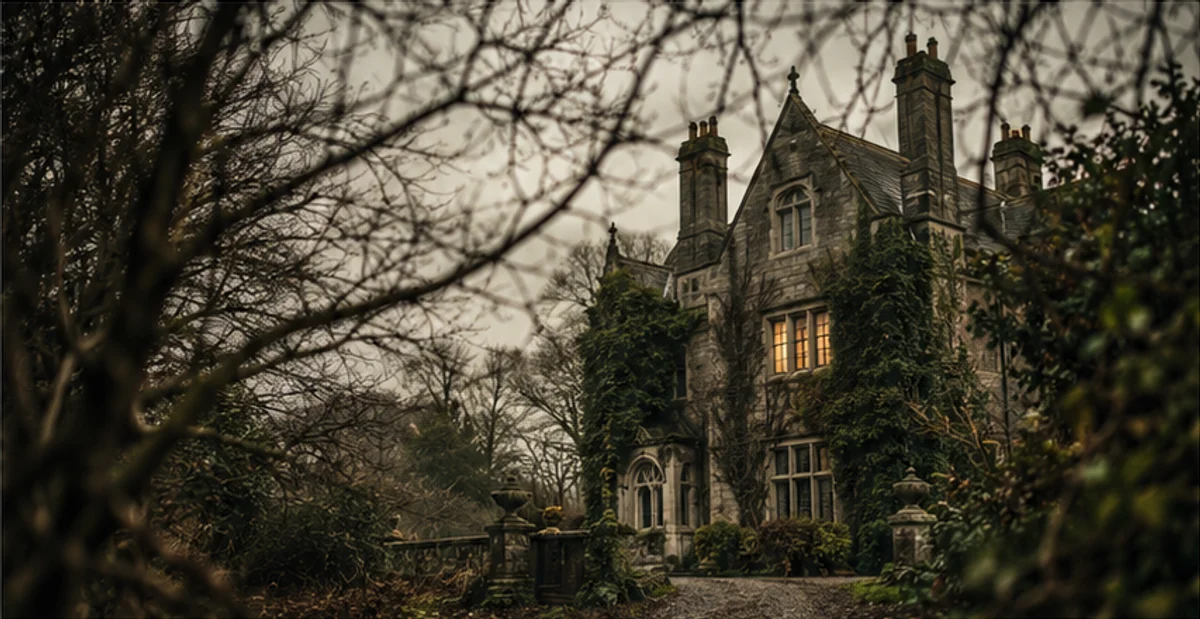
A locked room is one thing. A room everyone insists is safe is worse. Gothic horror feeds on that gap: the fine house with a rotten heart, the kind host who will not let you leave, the past that keeps a key.
The best gothic horror books do more than dress a ghost in lace. They make fear personal. A person needs a home, love, or a place in the world. Something dark uses that need against them. You can feel the trap close long before you know what is in it.
These picks are ranked as places to start, with a different strength for each. No single book wins at every kind of dread. Some are steeped in grief. Some have teeth. All reward a little patience, though the older prose may ask for more.
Choose your first gothic read
| Book | Best reason to read it |
|---|---|
| 1. Mexican Gothic | Modern prose, family secrets, body horror |
| 2. The Haunting of Hill House | Quiet dread and a mind under strain |
| 3. Rebecca | A tense home with no need for ghosts |
| 4. Dracula | A long, strange vampire hunt |
| 5. Frankenstein | Grief, blame, and a lonely creature |
| 6. The Hacienda | A haunted home and forbidden love |
| 7. The Turn of the Screw | A short book with hard questions |
1. Mexican Gothic, Silvia Moreno-Garcia
Best first pick for modern gothic horror.
A plea from her cousin brings Noemí Taboada to High Place, a remote mansion in 1950s Mexico. The family who lives there treats her as an intruder. Their home has rules, their manners have an edge, and their secrets reach beyond a bad marriage.
Mexican Gothic gives you the pleasure of a grand old house without treating its wealth as harmless charm. Power, race, and control shape the threat. The setting has a past that cannot be kept behind a closed door.
It is a strong entry point if you love a slow build but want clear, modern prose. Expect the dread to turn physical. This is not just a soft fog of unease. The book moves toward body horror, with scenes of coercion and decay.
The tradeoff is pace. Noemí must learn what is wrong before she can act on it. If you need a chase in every chapter, that wait may feel long. If you like a house to show its true face one room at a time, start here.
2. The Haunting of Hill House, Shirley Jackson
Best for fear that gets inside your thoughts.
Four people arrive at a house to study its strange events. One of them, Eleanor, brings a deep need to belong. Shirley Jackson turns that need into the book's raw nerve. The question is not just what the house wants. It is what a lonely person might accept as love.
The Haunting of Hill House, first published in 1959, makes small shifts feel huge. A joke can turn sharp. A room can feel wrong. The fear grows through voice and mood as much as through events.
Choose it for the human mind under pressure. Do not choose it for neat rules about ghosts. The book lets doubt linger. That is why it can feel rich on a second read, but it is also why readers who want firm answers may feel shut out.
This is a compact novel, yet it is not a race. Let the social scenes breathe. The way these people treat one another matters as much as a sound in the hall.
3. Rebecca, Daphne du Maurier
Best for a house ruled by a dead woman's name.
A young woman marries the wealthy Maxim de Winter and moves to Manderley. His first wife, Rebecca, is dead. Her place in the home is not. The new bride must live among things, people, and habits that seem to insist she does not belong.
Rebecca is a gothic mystery rather than a tale of literal ghosts. Its horror lies in shame, power, and the dread of being judged. Daphne du Maurier makes a grand home feel like a room in which you cannot sit down.
Read it if social tension scares you more than a monster. The romance is part of the trap, not a promise of comfort. A rich husband and a fine estate do not make a safe life.
The shy narrator may frustrate you if you want a bold lead from page one. Her lack of ease is central to the story. Watch who gets to define the truth, and whose silence makes that possible.
4. Dracula, Bram Stoker
Best for readers who want the full vampire hunt.
Jonathan Harker travels to a castle in Transylvania for work. His host is Count Dracula. What begins as a strange business visit grows into a threat that reaches England. The scale shifts from one trapped guest to a group trying to stop an evil they can barely explain.
Dracula tells its tale through journals, letters, and other records. You piece it together as the characters do. That form gives the fear a practical edge: dates, journeys, and small facts become tools in the hunt.
The opening at the castle is a fierce hook. Later parts move at a slower pace, with more talk and planning. It is a long novel, not a quick burst of scares. The dated views on gender and outsiders can also be jarring.
Choose Dracula for gothic horror on a broad canvas. Choose another book here if you want lean prose or a tender vampire romance. This Count is a threat to resist, not a wounded soul waiting for the right date.
5. Frankenstein, Mary Shelley
Best for a monster story with a moral wound.
Victor Frankenstein creates life, then recoils from what he has made. The creature is left to face a world that rejects him. Mary Shelley turns a bold act of creation into a fight over duty, blame, and the need for care.
Frankenstein is not the simple tale of a mute brute that some screen images suggest. The creature can speak and argue. That voice makes the pain harder to keep at a safe distance.
Read it for the clash between pity and dread. Mary Shelley does not let hurt excuse every act of harm. Nor does she let the maker walk away from his role. The horror has room for both grief and anger.
The letters and tales within tales take some care to follow. The prose is older, and the book spends time on thought as well as action. If that is part of the draw, Frankenstein is one of the most rewarding gothic novels on this list.
6. The Hacienda, Isabel Cañas
Best for haunted-house horror with romance.
After war destroys her home and family life, Beatriz marries for the chance of a secure future. Her husband's estate should be a refuge. Instead, it feels hostile. Strange signs pile up, and the people around her do little to ease her fears.
In The Hacienda, a priest named Andrés becomes her ally. His help brings questions of faith, magic, and forbidden love into the haunted house. The story is set in Mexico after its War of Independence.
This is a good choice if you want a supernatural threat to take shape. The romance gives Beatriz another reason to risk hope, while the house makes that hope feel costly. Class and the past matter here as much as the cold spot in the room.
Expect violence and a dark history beneath the love story. It suits readers who want both fear and feeling. Those who want pure mystery, with no romantic pull, may prefer Rebecca.
7. The Turn of the Screw, Henry James
Best for a short ghost story you can argue about.
A governess cares for two children at a country estate. She sees figures she believes pose a threat to them. But how much can she know, and how much should we trust her? Henry James keeps that gap open.
The Turn of the Screw is short in pages, not simple in prose. Long sentences fold thought inside thought. You may need to slow down or reread a passage. That effort serves a tale in which certainty is always just out of reach.
It is the best pick here for a book club that likes to disagree. Keep two lists as you read: what someone sees, and what they think it means. The gap between those lists is where much of the dread lives.
Skip it as your first gothic novel if dense language makes you lose interest. A brief book can still be a hard read. Try Shirley Jackson first, then come back to James when you want a knot that will not come loose.
What makes a book gothic?
A castle helps, but it is not a rule. Gothic fiction often brings the past into the present as a threat. A family secret, a ruined home, or an old wrong can shape the lives of people who think they have moved on.
In the British Library's guide to gothic motifs, John Bowen discusses strange places, unequal power, and the uncertain line between the natural and supernatural. Those ideas help explain why a book can earn the gothic label without a single confirmed ghost.
Gothic literature and horror overlap, but they are not the same shelf. Gothic novels can lean toward romance, mystery, or grief. Horror tends to make fear the main force. These seven picks sit at different points along that line.
A useful test is to ask what makes the setting hard to leave. It may be a locked gate. It may be money, love, shame, or a lack of anywhere else to go. The most chilling gothic fiction often gives its trap a human reason.
Classic gothic literature or a modern gothic novel?
Start with modern gothic fiction if you want a quick route into the mood. The language will often feel more familiar, even when the story is set in the past. Mexican Gothic and The Hacienda offer that path without giving up the genre's old fears.
Choose the classics if voice and history are part of the appeal. Mary Shelley asks what a creator owes a living thing. Stoker turns records and travel into a defense against an ancient threat. Their worlds feel far away, but those fears can still feel close.
There is no need to read gothic novels in date order. Start with the fear that interests you. A book you want to open is a better first step than one you feel you ought to finish.
How to choose an edition without overspending
Read a sample before you buy. For older books, check that the text is complete. Notes can help with old terms, but a long introduction may reveal the ending. Save it until last if you want the plot fresh.
For a free US reading copy, Project Gutenberg offers Frankenstein in several formats. Check the copyright rules where you live before using a public-domain edition. A library is also a good way to try a style before you pay for a fine binding.
Page counts change with type size, notes, and format. Do not use them alone to judge length or value. The Turn of the Screw can take more work per page than a much thicker modern novel. A costly cover does not change that.
If you prefer your scares on a screen, our Shudder vs Screambox comparison can help you choose a horror service. For a night when everyone helps shape the tale, see Arkham Horror vs Eldritch Horror.
Common questions about gothic horror books
Are all gothic novels scary?
No. A creepy atmosphere can matter more than a shock. Gothic literature often explores a loss of freedom, a dangerous love, or a secret that stains a family. Some readers find that slow tension more frightening than gore. Others want a threat they can see. Use the table above to choose the fear that suits you.
Is Frankenstein horror or science fiction?
It is both. Mary Shelley builds a story around the act of making life, then follows its human cost. Frankenstein draws on gothic fiction through isolation, dread, and a pursuit that ruins lives. The genre labels help describe the book. They do not need to fence it in.
Should I read short stories before gothic novels?
Only if that sounds appealing. Short stories offer a small time commitment, but they are not always easier to read. A full novel gives you more room to know its complex characters and settle into its voice. For classic gothic literature, a sample of the prose tells you more than the length.
The book to start tonight
For most new readers, Mexican Gothic is the clearest first choice. It knows the pleasures of gothic horror and gives them a sharp edge. For a quieter fear, choose The Haunting of Hill House. For human cruelty in a beautiful home, choose Rebecca.
Leave room for a book to unsettle you in its own way. Not every dark hall needs a jump scare. Sometimes the worst thing in the house is the reason someone wants to stay.